Commercial Printing Overview: Services, Choices & Professional Advice
The "Commercial Printing Manual" functions as a helpful reference for professionals exploring the challenges of printing options. It outlines the differences between digital printing and offset printing, shedding light on their individual benefits. Additionally, it covers essential services like design work and finishing touches that can enhance a project's overall quality. Grasping these components is essential, yet a number of people neglect key steps in preparation and budgeting. What are the typical errors, and what steps can be taken to avoid them?
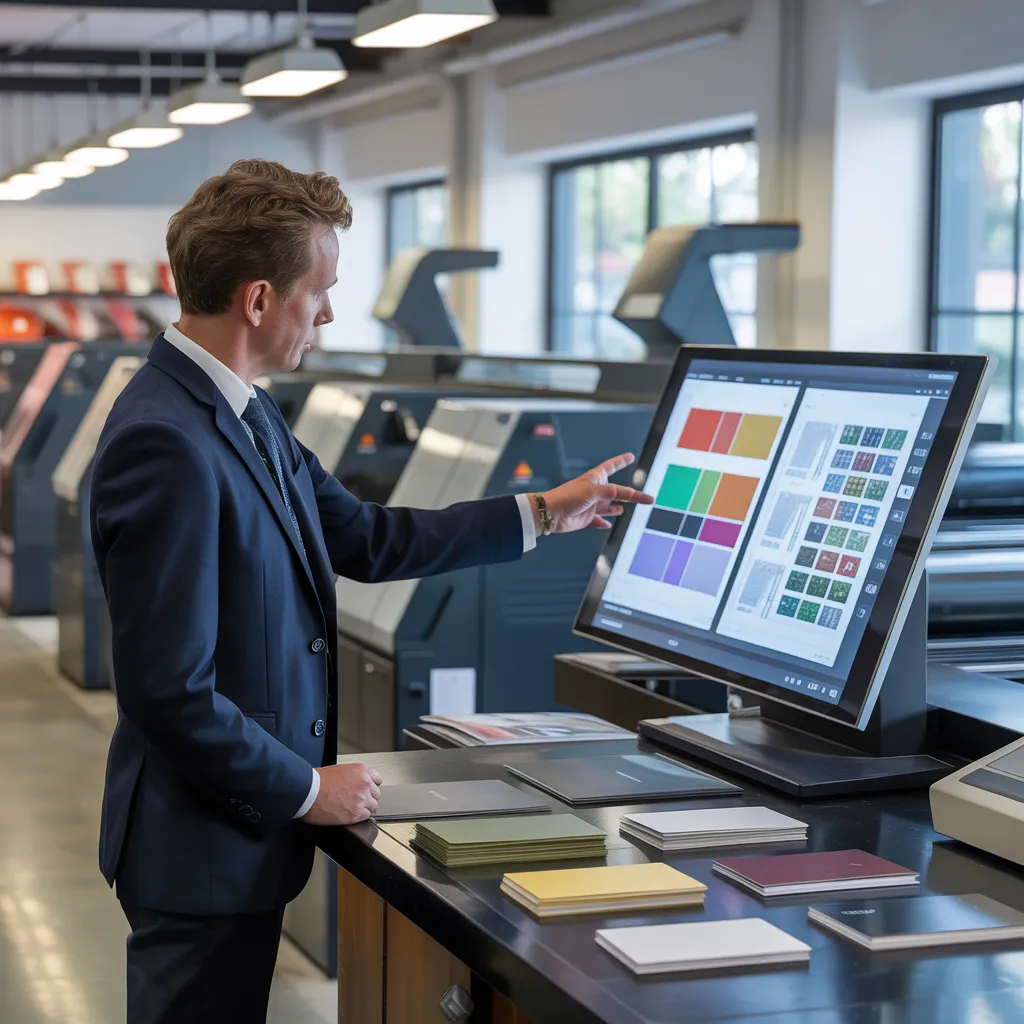
Understanding Commercial Print Techniques: Digital Versus Offset
In the field of commercial printing, two primary methods dominate: digital and offset printing. Digital printing utilizes modern technology to generate premium-quality prints directly from digital files. This technique stands out in short runs, enabling quick turnaround times and versatility in design. It readily enables variable data printing, making it ideal for customized relevant resource marketing materials.
In contrast, offset printing involves moving ink from a plate onto a rubber blanket before applying it to the printing surface. This time-honored printing method proves highly efficient for high-volume work, delivering consistent quality alongside vibrant and rich colors. Offset printing generally demands a more extensive setup period and is not as economical when used for limited quantities.
In the end, the decision between offset and digital printing depends on budget, timeline, and project requirements. Each method presents distinct advantages, catering to different needs in the commercial printing industry. Understanding these differences remains vital for arriving at educated conclusions in printing services.
Fundamental Services in Commercial Printing: Design and Finishing
In commercial printing, design services serve a crucial function in shaping the visual impact of printed materials. Furthermore, finishing methods, including lamination and bookbinding, improve the overall quality and durability of the final product. Proofing is equally important, guaranteeing that the design aligns with client expectations before full production.
Design Services Summary
Even though numerous businesses concentrate on the manufacturing elements of commercial printing, the importance of design services must not be ignored. Such services are essential in developing eye-catching materials that successfully convey a brand's identity. Expert design services incorporate numerous components, such as layout, typography, and color palettes, guaranteeing that the finished product engages the target audience. Designers often collaborate with clients to understand their vision, translating ideas into impactful graphics and formats. Additionally, they stay updated on industry trends and best practices, which enhances the overall quality of the printed materials. Allocating resources to quality design services not only enhances visual presentation but also solidifies brand identity, ultimately driving the success of marketing strategies and promotional endeavors.
Finishing Methods Described
Many finishing techniques are vital in the commercial printing process, upgrading printed materials from ordinary to extraordinary. These techniques improve both the look and function of printed products. Widely used options include laminating, which adds a durable coating, and embossing, which generates a raised design for tactile interest. Moreover, die-cut processing allows for tailored designs, while foil stamping contributes a premium quality with gleaming details. Other methods, such as UV coating, deliver shiny or flat surface effects, improving resilience. Assembly methods, including saddle stitching and perfect binding, are also critical for assembling printed booklets and promotional brochures. By incorporating these finishing techniques, brands can substantially boost the appearance and durability of their printed products, ensuring they make a lasting impression.
Significance Of Proofing
Finishing techniques greatly enhance printed materials, but the significance of proofing should never be underestimated. Proofing serves as a critical step in the printing process, guaranteeing that design components, colors, and text are precisely depicted before the final print run. It permits designers and clients to recognize and address inaccuracies, thereby preventing costly mistakes and ensuring quality control. Various types of proofs, including digital, hard copy, and color proofs, provide different insights into the final product. Proofing not only elevates customer approval but also reinforces a brand's image by providing polished and professional materials. In the challenging arena of commercial printing, committing time to proofing invariably produces outstanding results and client loyalty.
Selecting the Perfect Paper for Your Printing Projects
How can someone choose the right paper for multiple printing projects? Selecting the best paper requires several key considerations. To begin, the purpose of the project is paramount; for reference, promotional pieces may benefit from glossy finishes that elevate color vibrancy, while business reports might demand a more restrained, matte texture.
Next, the weight of the paper plays a critical role; denser paper choices typically communicate strength and longevity, making them suitable for powerful visual communications. Additionally, the paper's surface quality—be it high-gloss, matte, or natural—can considerably alter the resulting visual and physical impression of the finished print product.
Environmental factors should also be considered; choosing eco-friendly alternatives can reflect a company's core values. In addition, working with experienced printing specialists can deliver recommendations suited to individual needs, making certain that the preferred paper supports the complete performance of the project while adhering to budgetary boundaries.
Prepare Your Files for Printing
Preparing files for printing is an essential step that directly impacts the quality of the final product. Ensuring that files are correctly formatted is vital; this involves applying the correct color modes, including CMYK for print, and configuring the resolution to a minimum of 300 DPI for optimal clarity. Moreover, it is essential to embed fonts or change text to outlines to eliminate any font-related problems during the printing process.
The selection of file formats should be made thoughtfully, with PDF being the preferred option due to its compatibility and reliability. Checking for bleed and trim areas will eliminate undesirable white borders around the finished product. Finally, carrying out a detailed proofreading process is essential to detect any issues before the print run. By observing these best practices, individuals can greatly enhance the likelihood of achieving a professional-quality printing result.
Budgeting Tips for Your Printing Projects
Planning a budget for printing projects demands a solid understanding of the project's overall scope. It is critical to plan for any extra costs that could come up, such as labor and materials. A carefully planned budget will help guarantee that every element of the printing process are properly accounted for.
Establish Project Scope
Identifying the project scope is vital for accurate budgeting in printing projects. The process entails clarifying the detailed requirements, goals, and expected outcomes of the initiative. It is important to recognize the materials required, such as paper grades and finishing options, as well as the required print volume. Furthermore, understanding timelines and deadlines can affect overall costs. Stakeholders should collaborate to clarify expectations and ensure all elements, including distribution plans and design specifications, are included in the scope. Through clarifying these parameters, a more precise budget can be established, decreasing the chances of unforeseen expenses and delays. This level of clarity results in a streamlined project execution and successful results.
Consider Additional Costs
In planning a printing project, it is crucial to factor in additional costs that can influence the overall budget. These costs can include design expenses, which may occur if professional artwork is necessary, as well as setup charges for specific printing processes. Moreover, shipping and handling fees should be factored in, especially for bulk orders or rush services. Taxes and potential permit fees could additionally influence the budget. Clients should also plan for wastage, as printing often produces surplus materials. Finally, any revisions or last-minute changes can result in additional charges. By planning for these factors, businesses can establish a more reliable budget and avoid unexpected financial surprises during the printing process.
Common Pitfalls in Commercial Printing
Maneuvering the world of commercial printing can be fraught with pitfalls that can disrupt even the most carefully crafted strategies. One common mistake is underestimating the importance of file preparation. Providing improper file formats or inadequate resolutions can lead to costly delays and subpar results. Furthermore, skipping essential proofing steps often results in mistakes that were entirely preventable, leading to unnecessary waste of resources and time.
Another common mistake is overlooking effective communication with the printing company. Not clearly expressing specific requirements or expectations can result in misunderstandings that compromise the final product.
Budget errors also create a substantial obstacle; customers frequently overlook hidden expenses like shipping and taxes. Ultimately, overlooking the target audience can cause poor design selections, undermining the overall impact of the printed pieces. Identifying these common mistakes can lead to a more effective printing process.
Expert Tips for Effective Commercial Printing
Effective commercial printing begins with careful planning and precise communication. Customers should supply comprehensive specifications, such as dimensions, color selections, and material options. This guarantees that the printer can deliver a product that aligns with the client's vision. Furthermore, choosing the appropriate printing method—large format, digital, or offset—can have a major effect on the finished product.
Requesting samples before finalizing an order is essential. This enables clients to evaluate print quality, color precision, and material appropriateness. Budgeting for potential revisions is also wise, as adjustments may arise during the process.
In addition, fostering open communication with the printing team builds a cooperative environment. Defining achievable schedules minimizes disruptions and ensures on-time results. Lastly, being aware of industry trends and advancements can inspire innovative designs and techniques, boosting the overall quality of commercial printing initiatives. By following these expert tips, businesses can deliver superior results aligned with their particular objectives.
Questions Our Clients Often Ask
What Is the Typical Turnaround Time for Commercial Printing Projects?
Common turnaround periods for commercial printing projects range from one day to two weeks, influenced by considerations like project scope, print quantity, and the chosen printing company's abilities and demand at the time.
What Steps Can I Take to Find a Reputable Commercial Printing Company
To identify a reliable commercial print provider, businesses should research online reviews, seek recommendations from peers, assess previous work portfolios, solicit competitive quotes, and evaluate customer support quality to ensure consistent quality and dependability in their printing needs.
What Are the Environmental Impacts of Commercial Printing?
The environmental impacts of commercial printing include water pollution, deforestation, and the generation of waste. Moreover, greenhouse gas emissions and energy consumption associated with production activities lead to environmental harm, underscoring the importance of adopting sustainable practices across the industry.
Do You Offer Printing on Custom Materials or Sizes?
Absolutely, custom materials and sizes can be printed. Numerous printing companies provide adaptable solutions, permitting clients to pick distinctive substrates and custom dimensions designed for particular projects, enhancing creativity and meeting diverse requirements throughout a broad range of industries.
What Is the Difference Between Short-Run and Long-Run Printing?
Short-run printing refers to reduced quantities, typically ideal for specialized projects, while long-run printing generates higher volumes, usually more budget-friendly per unit. Each method caters to different needs and budgets across the printing industry.